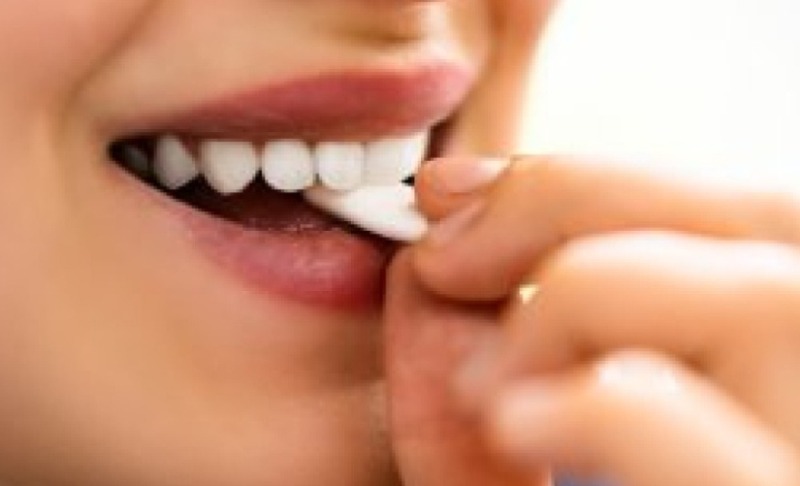
Microplastics refer to polymers sized 1nm~5mm, and microplastics generated during food and beverage packaging, various coatings, and plastic production processes enter the human body through various routes, potentially affecting health. Although research on the routes of microplastic ingestion and their effects on the human body is active, research on gum, a potential source of microplastics , remains limited. Gum Gum is usually made from a rubber base, sweeteners, flavorings, and other ingredients. Natural gum products use plant-based polymers such as chicle or other tree saps, while other products use synthetic rubber bases made from petroleum-based polymers. To address this, the research team gave participants five brands of synthetic gum and five brands of natural gum sold on the market, then collected saliva samples to measure the rate and amount of microplastic release. The results showed that an average of 100 microplastics were released per gram of gum, with some gums releasing up to 637 microplastics per gram. Synthetic gum averaged 104 per gram, while natural gum averaged 96, There was no significant difference between synthetic and natural gum. Considering that gum usually weighs 2~6g, a single chew of gum can produce up to 3,000 microplastics, which is 160~180 per year. Just chewing small pieces of gum can lead to the intake of tens of thousands of microplastics annually. Most microplastics are released within the first 2 minutes after chewing, and 94% of the total is released within 8 minutes after chewing. The research team says. The research team suggested that microplastics are produced not by enzymes in saliva but by strong abrasion, and suggested that to reduce microplastic exposure, one piece should be used longer than chewing new gum.
Comments 0
Log in to comment.